

What is bruxism?
Waking up with a sore jaw, a dull headache, or sensitive teeth can be more than just a morning nuisance; it could be a sign of bruxism. At York Road Dental Practice in Wandsworth, we provide specialised care to help you find relief and protect your long-term oral health.
Bruxism is the medical term for unconscious teeth grinding or jaw clenching. While it often happens during sleep (sleep bruxism), many people also find themselves clenching during the day, often due to stress or intense concentration.
If left untreated, the constant pressure of bruxism can lead to worn-down teeth, broken restorations (like crowns or fillings), and chronic pain in the jaw and face. If you are suffering from any symptoms, contact our team today to find out how we can help you.
 How can injections help with teeth grinding and TMJ?
 How can injections help with teeth grinding and TMJ?
While many people know Botox® as a cosmetic treatment, it is also a highly effective clinical solution for bruxism, and Temporomandibular Joint (TMJ) disorders.
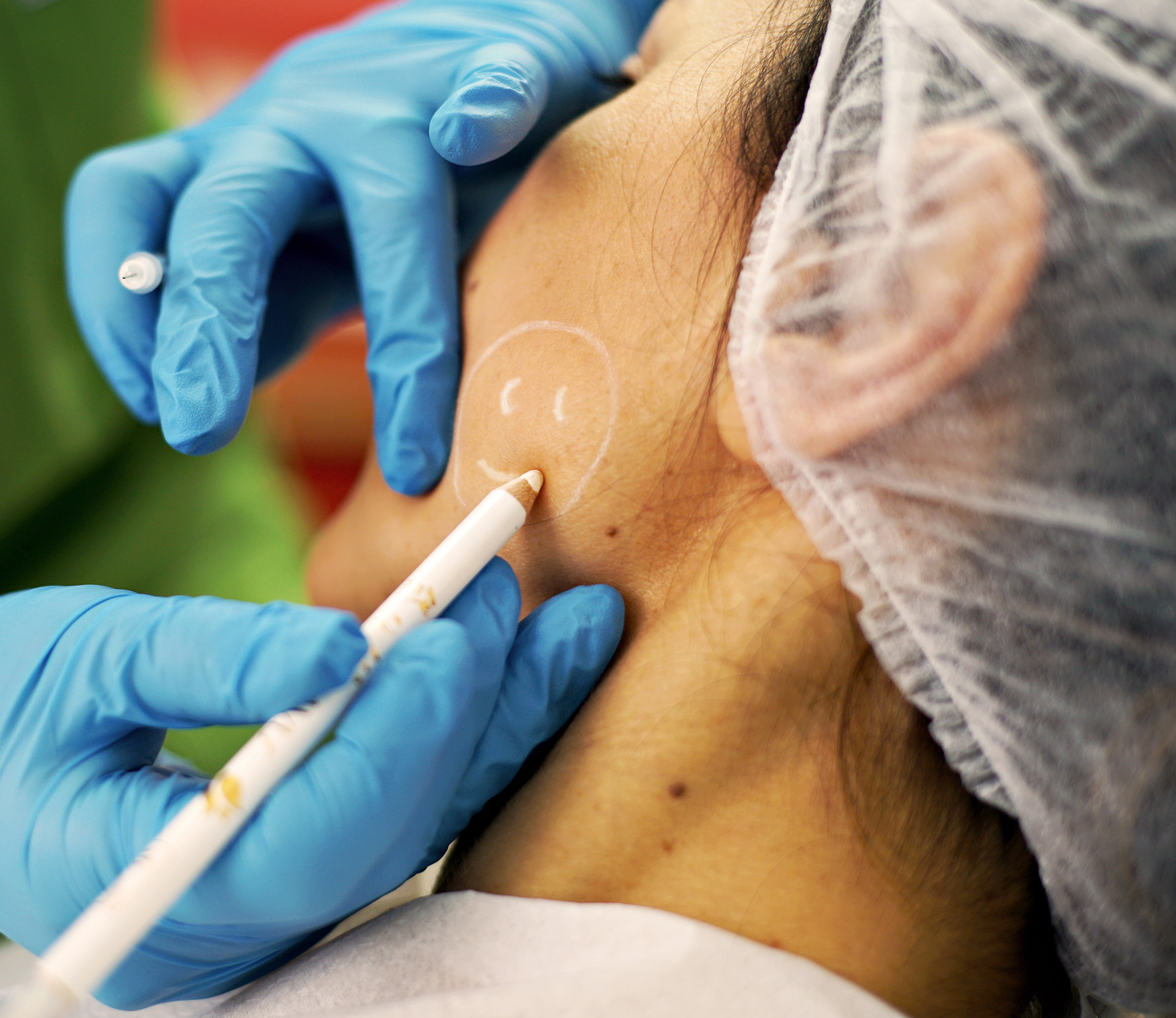
By injecting small, precise amounts of Botox® into the masseter muscles (the large muscles that move your jaw) we can reduce their clenching force. This relaxes the muscle enough to stop the involuntary grinding and clenching, without affecting your ability to chew or speak normally. This targeted Botox® treatment for bruxism addresses the root cause of the tension, providing much-needed relief for the jaw joint and surrounding nerves.
What to expect from treatment for bruxism
Your journey begins with a consultation at our Wandsworth practice, where our clinicians, who are experts in facial anatomy, will assess your jaw muscles and symptoms.
The procedure itself is quick and convenient. Using an ultra-fine needle, the Botox® is injected into the masseter muscle. Most patients describe the sensation as a tiny pinprick. There is no downtime, so you can return to your normal activities immediately. You will typically begin to feel the relaxation of the jaw muscles within 3 to 5 days, with the full therapeutic effect developing over two weeks.
The benefits of treatment for bruxism
Choosing Botox® for jaw tension offers several life-changing benefits:
- Pain relief: Significant reduction in headaches, earaches, and facial pain associated with TMJ.
- Tooth protection: By reducing the force of grinding, you prevent your teeth from wearing down or fracturing.
- Facial slimming: Constant clenching can overwork the jaw muscles, making them appear bulky. Botox® can help soften a square jawline for a more relaxed appearance.
- Non-invasive: A great alternative or supplement to wearing night guards.
- Expert care: At York Road Dental Practice, our treatments are carried out by qualified dental professionals who understand the intricate relationship between your bite and your facial muscles.
Book a consultation
Don’t let jaw pain dictate your day. If you are looking for an effective Botox® treatment for bruxism in Wandsworth, our friendly team is here to help. We offer professional consultations to discuss your symptoms and create a tailored treatment plan to get you back to feeling your best.
What happens at your appointment?
If you are new to using Botox® treatment for bruxism, there is no need to feel nervous. At York Road Dental Practice in Wandsworth, our process is designed to be comfortable, professional, and stress-free. Here is what you can expect during your visit:
1. The consultation
Your journey begins with a thorough clinical discussion. One of our expert practitioners will assess your jaw movements, identify the specific masseter muscles causing the tension, and review your dental and medical history. This is the perfect time to discuss your symptoms, for example, morning headaches or jaw clicking, so we can tailor the treatment to your exact needs.
2. Preparation
Once we have confirmed that Botox® is the right solution for your bruxism, we will prepare the area. Your skin will be cleansed to ensure the injection sites are sterile. Because we use ultra-fine needles, most patients find the procedure very tolerable, but we can apply a numbing cream if you have particularly sensitive skin to ensure you are completely at ease.
3. The treatment
Your practitioner will ask you to bite down firmly so they can pinpoint the strongest part of the jaw muscle. Using a very fine needle, small, precise amounts of Botox® are injected into the masseter muscles on both sides of the face. The process is very quick, usually taking less than 15 minutes, and most patients describe it as a minor pinprick or a quick sting that lasts only a second.
4. Aftercare & results
There is no downtime, so you can head straight back to your day in Wandsworth. You might notice tiny bumps at the injection site immediately after, but these typically disappear within 30 minutes.
You won’t feel an instant change in your jaw tension; the Botox® starts to work its magic over the next 3 to 14 days. As the muscles gradually relax, you will notice a significant reduction in clenching force, leading to a much more comfortable jaw and a better night’s sleep.
WHAT OUR PATIENTS HAVE TO SAY
We are proud to have helped so many patients over the years. Your satisfaction is at the heart of everything we do. Don’t just take our word for it, read what our wonderful patients have to say about their experience with us.
FAQ’s
On average, the effects of a Botox® treatment for bruxism last between 3 and 6 months. Because the masseter is a large, strong muscle, your body gradually metabolises the product over time, and you may notice the return of jaw tension as the muscle regains its full strength. Many of our Wandsworth patients find that with regular top-up sessions every few months, the jaw muscles stay relaxed for longer, and the habit of clenching begins to diminish naturally.
While Botox® starts binding to the nerve endings almost immediately, you won’t feel an instant release in your jaw. Most patients notice a subtle softening of the muscle and a reduction in clenching intensity within 3 to 5 days. The full therapeutic effect, where you feel the maximum relief from jaw pain and headaches, typically peaks around 2 weeks after your appointment. If you are also seeking facial slimming benefits, these results usually become more visible after 4 to 6 weeks as the muscle gradually reduces in size.
Following on from sleep studies, they found bruxism often starts with a type of sleep disturbance in the central nervous system. This means that factors such as stress and anxiety can make bruxism worse.
There are three common causes of bruxism. These include stress and anxiety, sleep issues such as snoring and sleep apnoea, and taking certain medications such as certain anti-depressants.
There are several signs that bruxism should be addressed, these include:
- Eroded teeth
- Chipped or cracked teeth
- Facial pain
- Overly sensitive teeth
- Tense facial and jaw muscles
- Headaches
- Dislocation of the jaw
- Locking of the jaw
- A popping or clicking in the temporomandibular joint (TMJ)
- Damage to the inside of the cheek
You may want to avoid very chewy foods as they may hurt your jaw and teeth, especially if you’ve had bruxism during the night.


